
About us

Our mission.
BRIGHT-Canada (Bringing Radiobiology Innovations to Grow the Highly Trained workforce in Canada) is a unique NSERC-CREATE program dedicated to addressing the critical shortage of radiobiology professionals in Canada. As the nuclear market is projected to double by 2030, our mission is to develop a new generation of highly qualified personnel equipped to lead in emerging sectors, including clean energy (Small Modular Reactors), environmental radiation safety, and Canada’s ambitious participation in international space exploration missions like ARTEMIS.
Integrated training excellence
Our program leverages a powerful partnership between leading academic institutions, the University of Ottawa, the University of Calgary, and Carleton University and national laboratories such as Canadian Nuclear Laboratories (CNL) and TRIUMF. By marrying academic rigor with hands-on industrial and governmental expertise, we provide trainees with unparalleled access to cutting-edge infrastructure and real-world research applications in radiobiology, physics, and biomedical sciences.
Shaping the future of radiobiology
Beyond technical mastery, BRIGHT-Canada focuses on a holistic training approach. We incorporate essential professional workshops in science communication, project management, and leadership, while maintaining a steadfast commitment to Equity, Diversity, and Inclusion (EDI). Our goal is to foster an interdisciplinary ecosystem where the next generation of scientists can thrive, ensuring Canada remains a global leader in radiation biology and innovation.
Research Training Modules
Trainees undertake multidisciplinary research projects in at least one of the following four training modules, which span physics, biomedical sciences, and space biology:
Module 1:
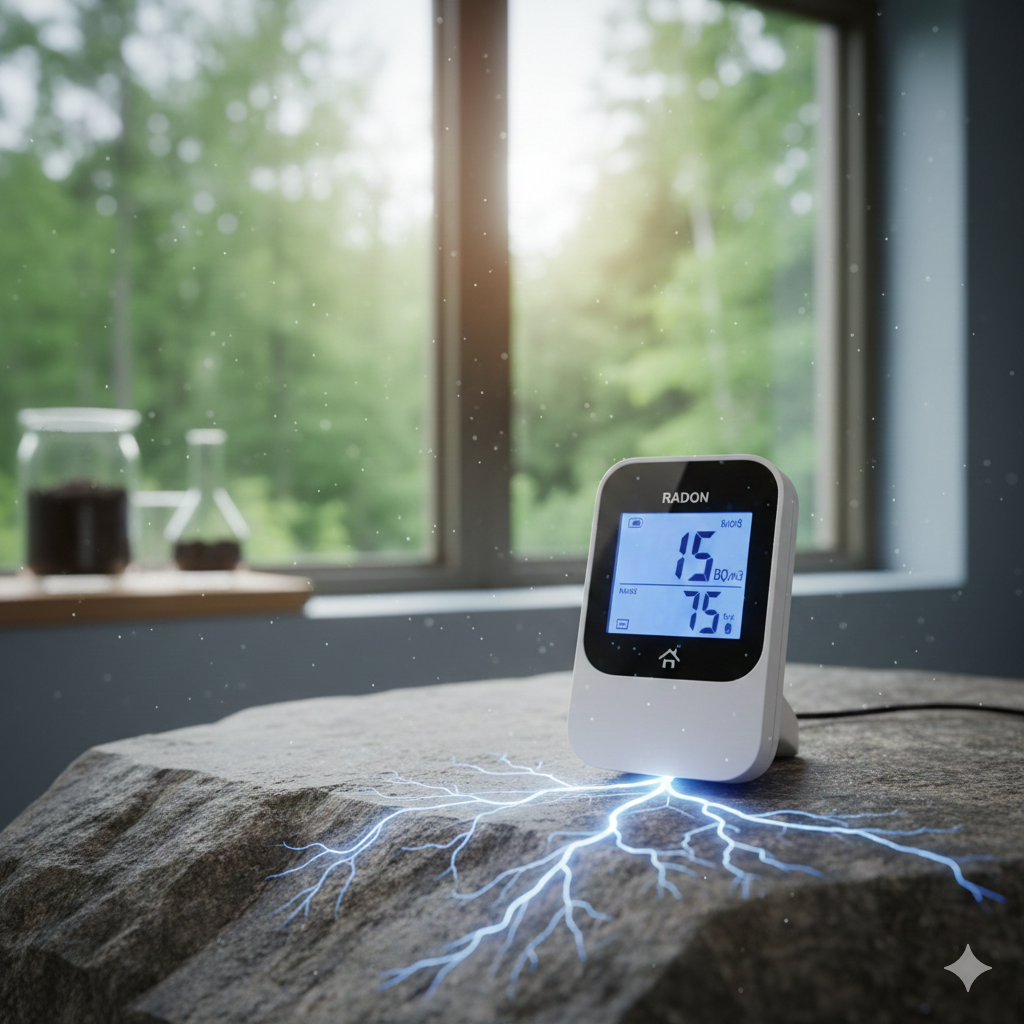
Terrestrial Radiation and Radon
Expert PIs: Dr. Aaron Goodarzi (University of Calgary) Collaborators: Drs. Nagel, Mitchell, and Kim.
This module addresses the significant health risks associated with chronic exposure to alpha particle radiation, primarily from terrestrial radon (222Rn), which accounts for over 50% of human radiation exposure. Led by Dr. Aaron Goodarzi, Director of the Robson DNA Science Centre, the research combines fundamental molecular biology with transdisciplinary approaches in population health and building science. Trainees utilize high-throughput technologies to investigate genetic susceptibility to alpha particles and use machine learning to predict exposure risks based on geological and behavioral factors.
The research in this module is instrumental in driving policy changes, such as building code interventions to minimize radon exposure in Canadian communities. By integrating fields like epidemiology, physics, and architecture, trainees gain a holistic understanding of how environmental radiation impacts public health and how to develop evidence-based solutions for risk reduction.
Module 2:
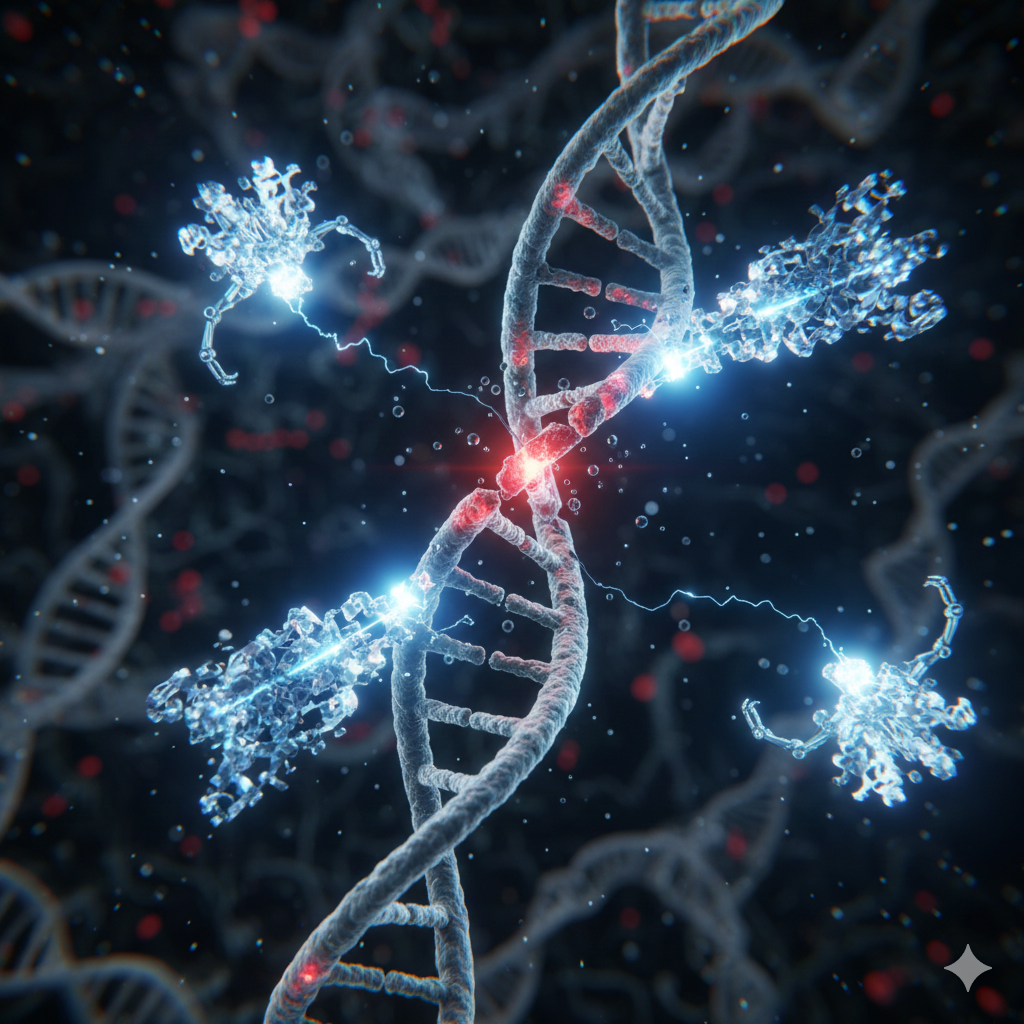
DNA Damage Repair and Genome Engineering
Expert PIs: Dr. Susan Lees-Miller (University of Calgary), Dr. Jean-François Couture (University of Ottawa), Dr. Pierre Billon (University of Calgary), and Dr. Rowan Thomson (Carleton University).
Module 2 focuses on the mechanisms by which cells detect, and repair DNA double-strand breaks (DSBs) induced by ionizing radiation. Dr. Susan Lees-Miller and Dr. Pierre Billon lead investigations into the coordination of repair pathways like Non-Homologous End Joining (NHEJ) and Homologous Recombination (HR), utilizing advanced CRISPR/Cas9 genome editing and state-of-the-art imaging. Dr. Jean-François Couture contributes structural biology expertise to elucidate the molecular mechanisms of protein complexes
linked to DNA damage response (DDR), while Dr. Rowan Thomson provides multiscale computational modeling to study radiation transport and energy deposition at cellular levels.
Trainees in this module explore the intersection of radiation biology and innate immune pathways, such as the cGAS/STING pathway. The goal is to leverage these mechanistic insights to enhance cancer treatments and refine precision genome editing technologies, ensuring both the efficacy and safety of therapeutic interventions.
Module 3:
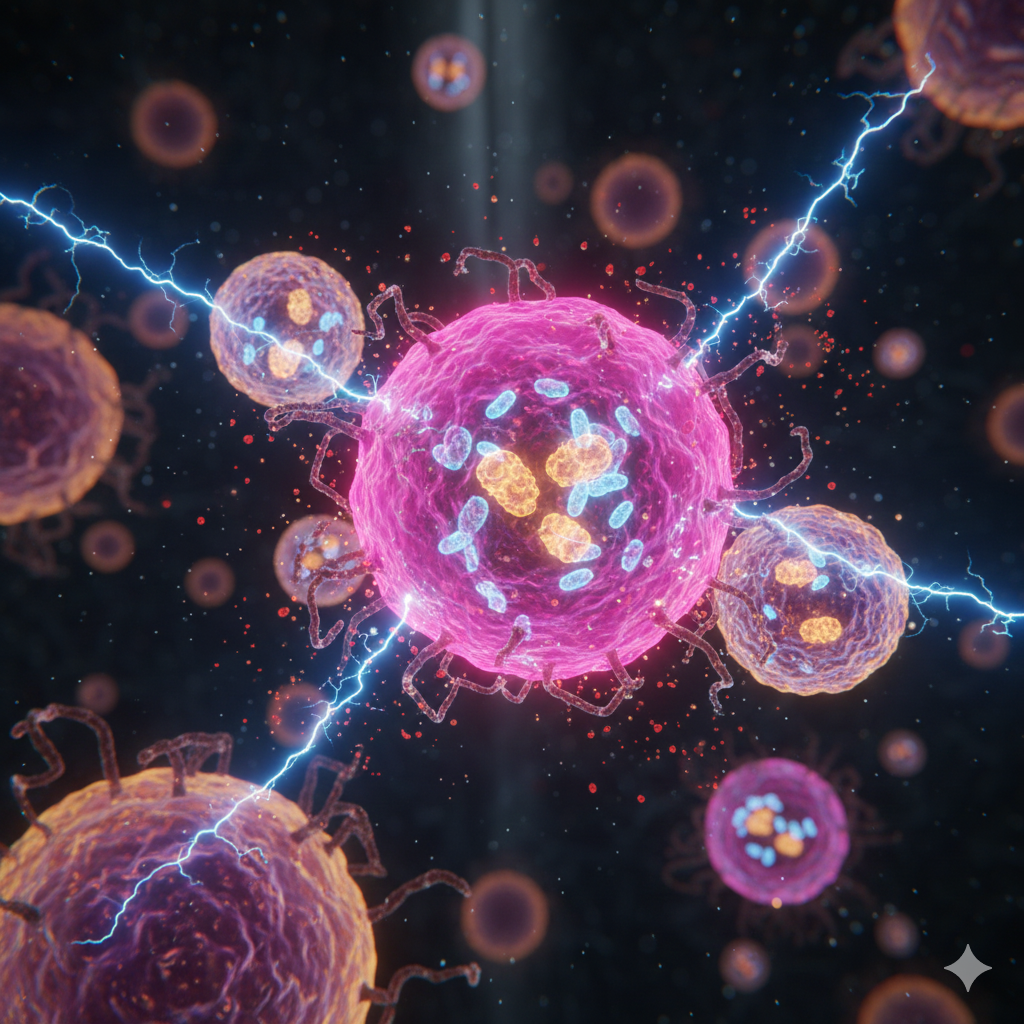
Radiation and Immunometabolism
Expert PIs: Dr. Mary-Ellen Harper (University of Ottawa), Dr. Seung-Hwan Lee (University of Ottawa), and Dr. Tommy Alain (University of Ottawa) Collaborators: Drs. Marcelo Vazquez and Marie-Claude Gregoire (CNL), Drs. Klokov, Pilegaard, and Dillworth
This module investigates the biological effects of low-dose radiation (LDR) on cellular metabolism and the immune system. Dr. Mary-Ellen Harper, an expert in mitochondrial bioenergetics, leads research into how LDR influences oxidative stress signaling and cellular energy transduction. Dr. Seung-Hwan Lee focuses on the homeostatic immune response, particularly the function of natural killer (NK) cells and macrophages under radiation stress. Dr. Tommy Alain explores the translatome, studying how radiation reprograms mRNA translation to affect genome surveillance and stability.
Working in collaboration with Canadian Nuclear Laboratories (CNL), trainees apply “gold-standard” approaches—including HPLC, Ribo-seq, and flow cytometry—to understand how acute and chronic LDR exposure induces long-term epigenetic changes. This research is critical for developing an informed view of biological responses to low-level radiation, with direct implications for healthcare workers and patients.
Module 4:
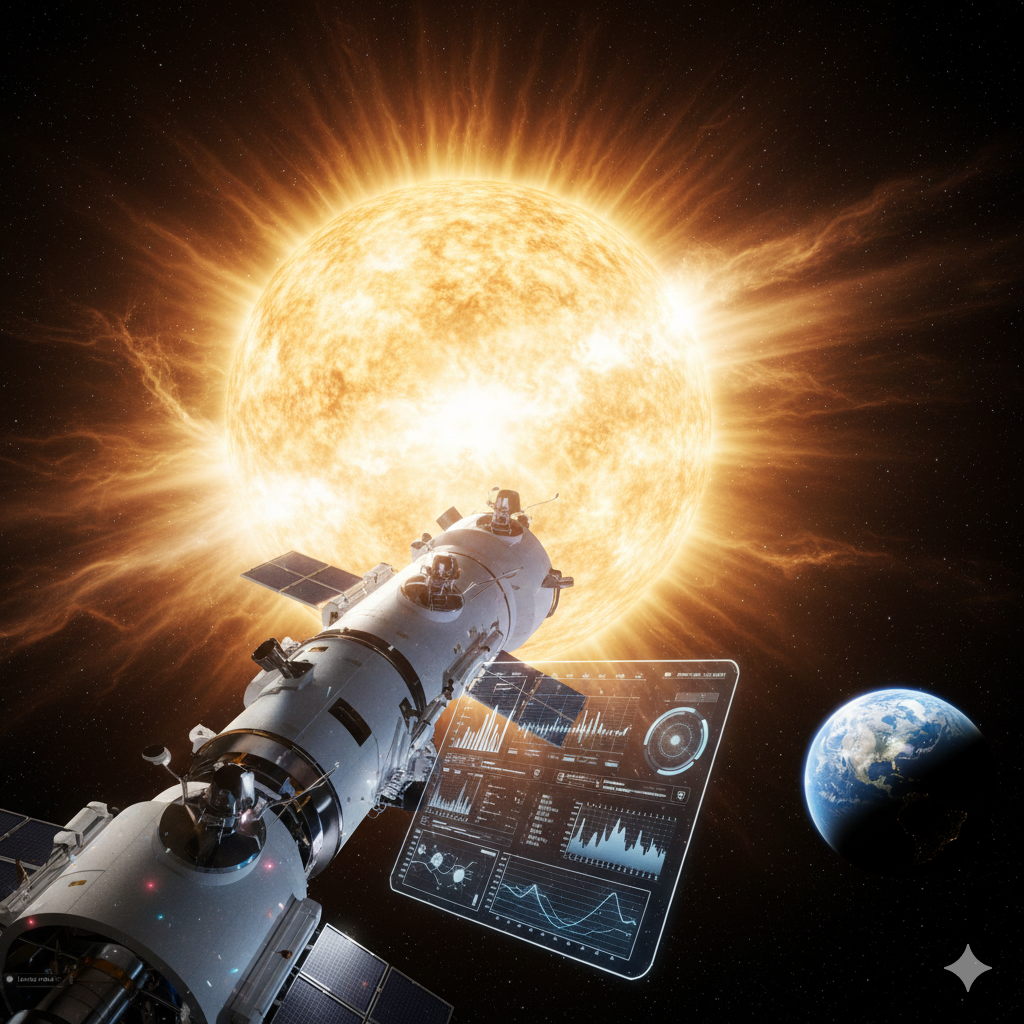
Space Radiation
Expert PIs: Dr. Guy Trudel (University of Ottawa/The Ottawa Hospital), Dr. Odette Laneuville (University of Ottawa), and Dr. Cornelia Hoehr (TRIUMF) Collaborators: Dr. Marcelo Vazquez (CNL)
Module 4 explores the unique challenges of radiation exposure during long-term space missions beyond low-Earth orbit. Dr. Guy Trudel and Dr. Odette Laneuville lead research on the combined effects of space radiation and microgravity, focusing on musculoskeletal complications, joint mobility, and bone marrow fat accumulation. Dr. Cornelia Hoehr, a research scientist at TRIUMF, provides expertise in nuclear physics and proton therapy, facilitating the use of space radiation analogs to study the biological effects of cosmic rays and neutrons. Dr. Marcelo Vazquez provides expertise on the challenges and countermeasures for deep space missions: Space Radiobiology.
Trainees in this module gain experience in risk management for astronauts participating in the International Space Station (ISS) and ARTEMIS Moon programs. By understanding the radiobiological mechanisms of secondary radiation and its interaction with spacecraft shielding, this module prepares the workforce for the future of space exploration and the deployment of advanced nuclear technologies in remote environments.
2025 Students cohort list
|
# |
Student Name |
Supervisor’s Name |
Program of enrolment |
Affiliation |
Research area |
|---|---|---|---|---|---|
|
1 |
Hailey Adams |
Dr. Lindsay Beaton |
MSc |
Health Canada/ |
Automated cytogenetic biodosimetry and advanced chromosome damage analysis |
|
2 |
Finn Dogson |
Dr. Rowan Thomson |
MSc |
Carleton University |
Radiation energy deposition and cellular response mechanisms |
|
3 |
Uche Nworah |
Dr. Seung-Hwan Lee |
MSc |
University of Ottawa |
Engineering radiation-responsive immune cell models for real-time monitoring |
|
4 |
Oliver Cena |
Dr. Aaron Goodarzi |
MSc |
University of Calgary |
High-LET radiation effects on genome stability using yeast model systems |
|
5 |
Daniel Panting |
Dr. Tommy Alain |
PhD |
CHEO-RI/ |
Gene expression and translation regulation following low-dose radiation exposure |
|
6 |
Austin Atkins |
Dr. Aaron Goodarzi |
PhD |
University of Calgary |
Molecular DNA repair pathways for complex and high-LET radiation damage |
|
7 |
Prarthana Pasricha |
Dr. Rowan Thomson |
PhD |
Carleton University |
Innovative platforms to study radiation energy deposition and cellular effects |
|
8 |
Michel Kanaan |
Dr. Mary-Ellen Harper |
|
University of Ottawa |
Effects of Low Dose Ionizing Radiation on Muscle Metabolomics and Glutathione Redox |
|
9 |
Brittany Vardenberg |
Dr. Pierre Billon |
|
University of Calgary |
CRISPR-enabled studies of replication stress and DNA repair mechanisms |